


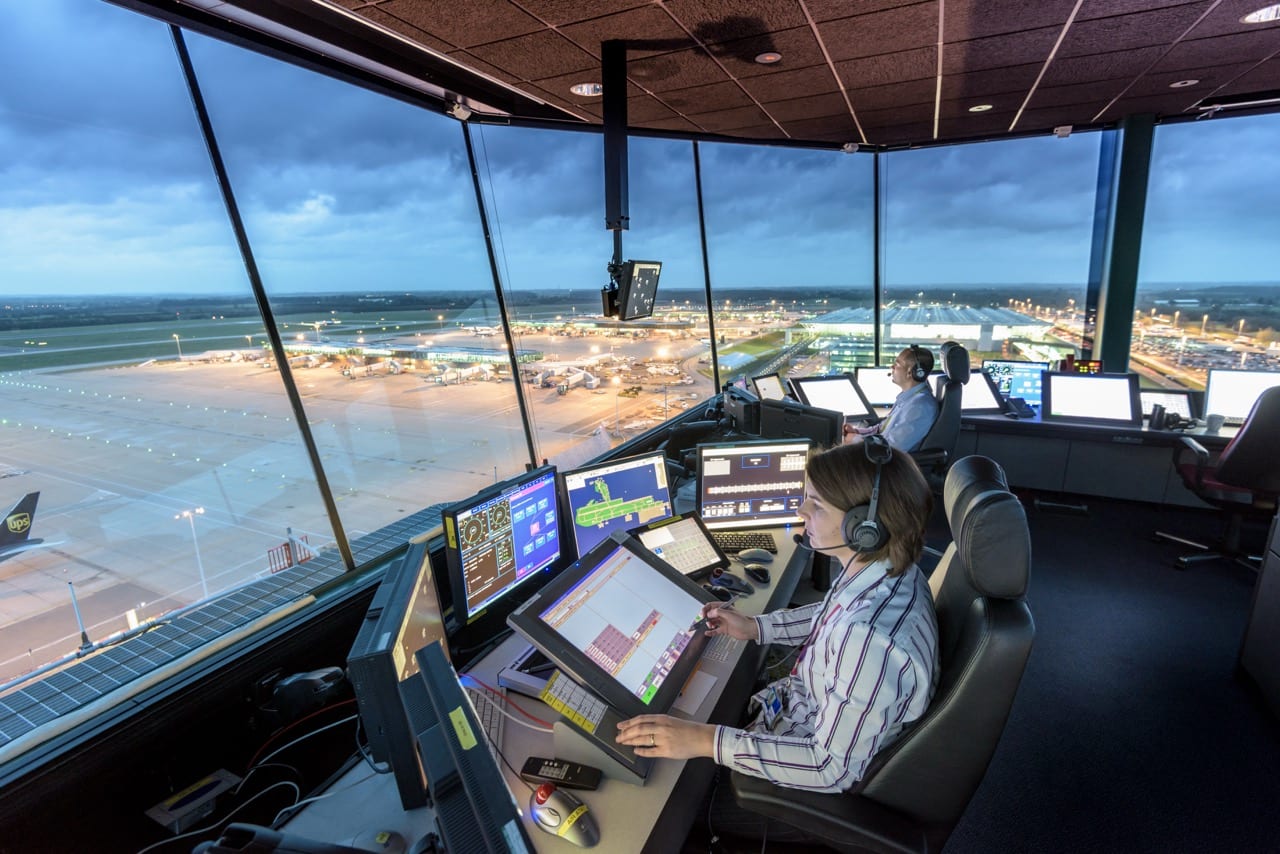
It’s not hard to see the signs of HS2’s construction.
Though slow and mind-bendingly expensive, the new railway is emerging in the English countryside. Once it is complete, it will relieve a major infrastructure bottleneck that is holding back the country.
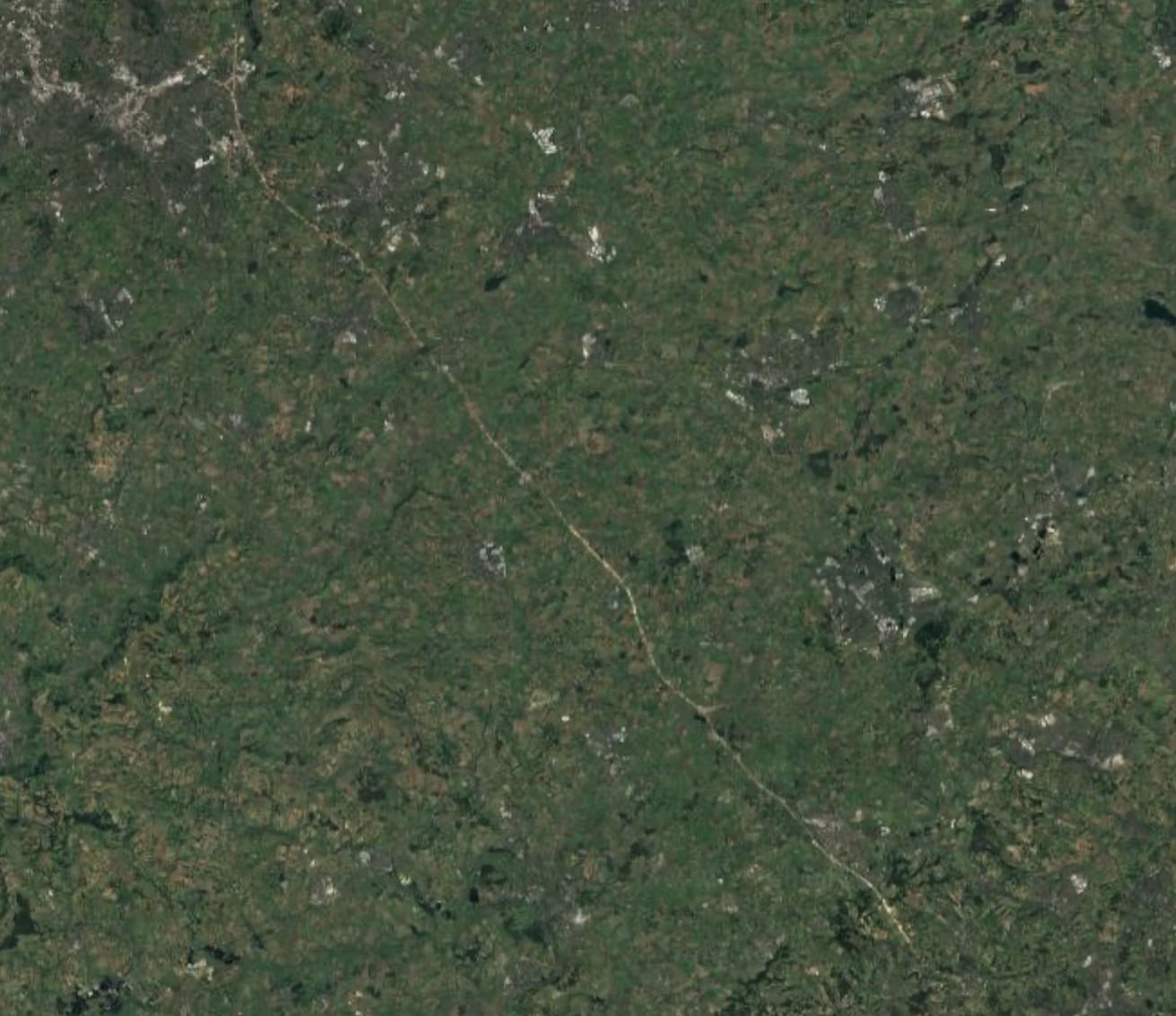
If you look at a map of Britain from space, you can even see the works – there’s a thick brown line of construction activity stretching all the way from London to Birmingham.
But what you might not realise is that the photo above also contains another of Britain’s major infrastructure projects.
Don’t waste too much time scouring the image for it, as this project is invisible. It is hidden in the space between the land you can see above and the lens on the satellite that took the photo.
As very quietly, without the same attention or (mercifully) expense, a project is underway to upgrade Britain’s airspace.
What’s wrong with how we currently do things? In short, even though air travel is hugely important to the British economy, and millions of people pass through Britain’s airports every year, the entire way we manage airspace is built on top of 1960s foundations that are long out of date.
And if we can drag the system into the 21st century, then there could be huge advantages: We might be able to fit more planes into the sky, make flight times shorter and release less carbon into the atmosphere.
So what’s happening, and why haven’t you heard anything about it?
Read on to find out.